

In business, financial statements are not just compliance documents or reports for accountants and tax authorities. They are psychological
tools that shape behaviour, influence decision-making, build confidence, expose weaknesses, and motivate growth.
Without reports, problems remain hidden. With reports, denial becomes difficult.
This accountability naturally changes behaviour.
Financial Statements Trigger Competitive Motivation. Humans are naturally motivated by progress.
They help business owners emotionally transition: from surviving day-to-day to intentionally building wealth and enterprise value

For many small and informal businesses in South Africa, an accountant is often seen as someone you only call during tax season or when SARS starts asking questions. In reality, a good accountant is one of the most important strategic partners a business owner can have.
One of the greatest benefits of having a trusted accountant is peace of mind.
The best accountants are not just “number capturers.” They become business advisors. The relationship between a business owner and
accountant should be treated as a long-term professional partnership — not a once-off transaction.

Running a small business means juggling sales, operations, staffing, customers, and growth — and in the middle of all that, your finances can quietly become messy, inaccurate, or dangerously outdated.

In South Africa entrepreneurship thrives in spite of the system rather than through it. Informal businesses dominate key sectors, driven by fear of taxation, distrust of institutions, regulatory complexity, and a belief that formalisation stifles survival.
While this mindset may support short-term cash preservation, it systematically destroys long-term value, limits access to
capital, and prevents businesses from becoming scalable, investable, and transferable assets.

A Practical Guide for Growth, Control, and Behavioural Discipline.
Budgeting is often misunderstood as a restrictive financial exercise focused on limiting spending. In reality, it is one of the most
powerful strategic tools available to a business owner.
For emerging and established businesses alike, budgeting is not optional—it is foundational.

One of the most overlooked yet foundational principles in building a sustainable, scalable, and valuable business is the clear separation between the business owner and the business entity
The owner is not the business—the owner owns or controls the business.
The Concept of “Alter Ego” and Why It Matters

Monthly bookkeeping makes a huge difference during audit time after year-end
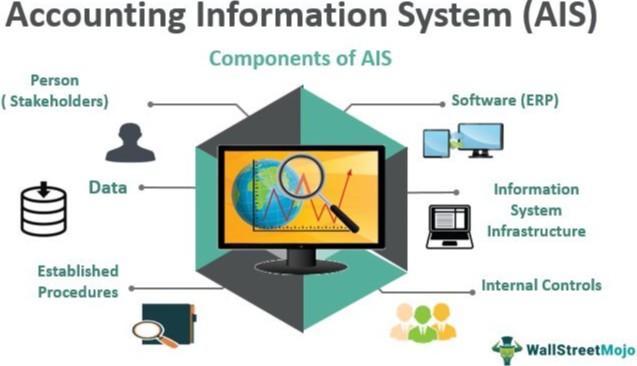
In today’s dynamic business environment, maintaining accurate, timely, and reliable financial information is essential for success.
An AIS is more than just accounting software — it is a structured process that collects, records, stores, and processes financial data to
produce useful information for decision-making.

As a business owner, it’s tempting to focus on sales, operations, and growth—while letting your bookkeeping slide until “later.”
But here’s the hard truth:
**waiting until year-end to do your books is costly, stressful, and inefficient.
** Monthly bookkeeping is not just about staying compliant—it’s about giving your business control, clarity, and cost savings throughout the
year.